

There is one Chinese region that has been making a lot of talk recently: Ningxia.
What is Ningxia?
Why is this interesting?
What are their wines worth?
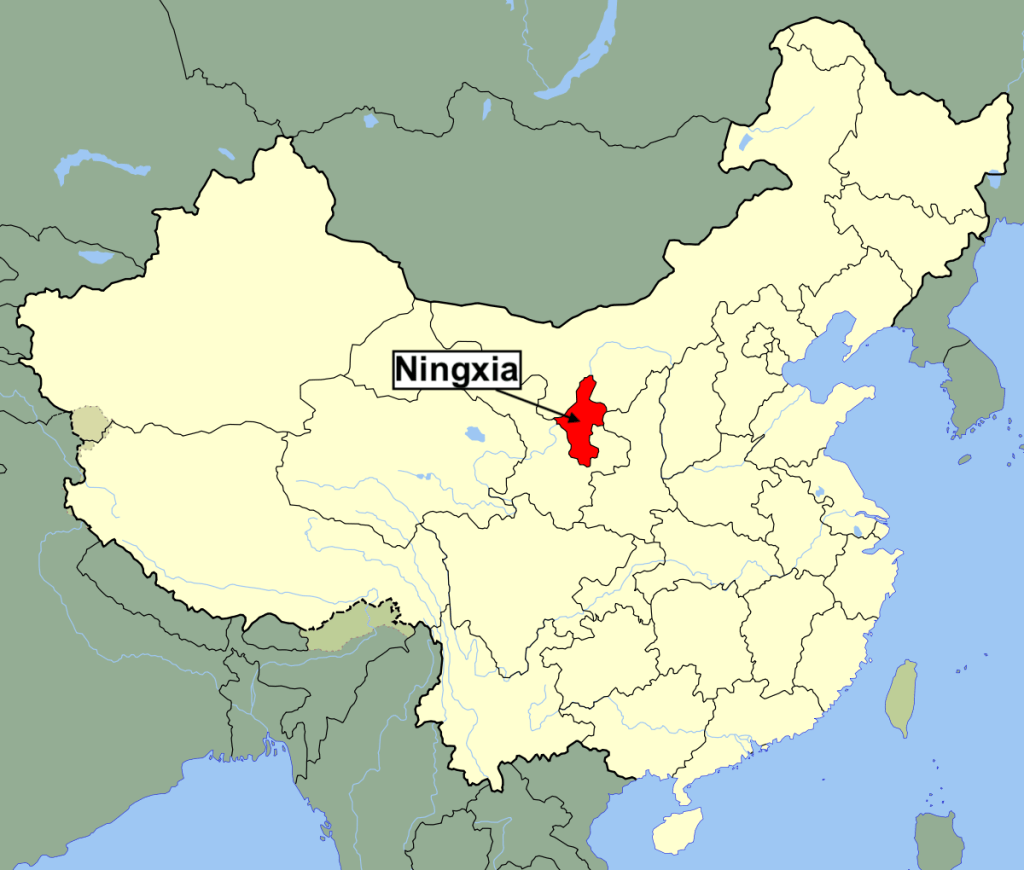
Located in Northwestern China, Ningxia is one of the 5 Chinese Autonomous Regions, and a rather disadvantaged one it must be recognized:
Economic comparison:
2019 Ningxia GDP: USD 58 billion
2019 GDP of Zhejiang (a dynamic province of Eastern China): USD 962 billion
Climate situation:
The climate of Yinchuan (capital of the province) is said to be “steppe”. There is little rainfall, whatever the time of year.
The average temperature in Yinchuan is 10.4 ° C. The average annual precipitation is 266 mm.
In this chart, we can see that the average temperature is below 0 degrees for 3 months of the year!
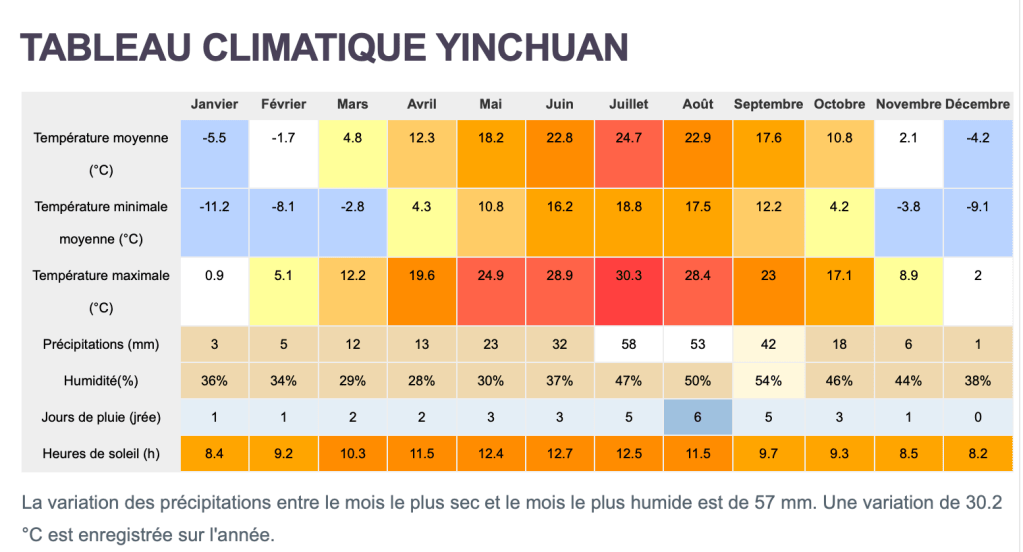
In short: very cold in winter, dry and (very) sunny all year long.
The fate of this small region seemed to be that of a poor, rural and anonymous province, wedged between the huge Inner Mongolia, Gansu and Xinjiang.
However, history decided something else
Women, Men & wine
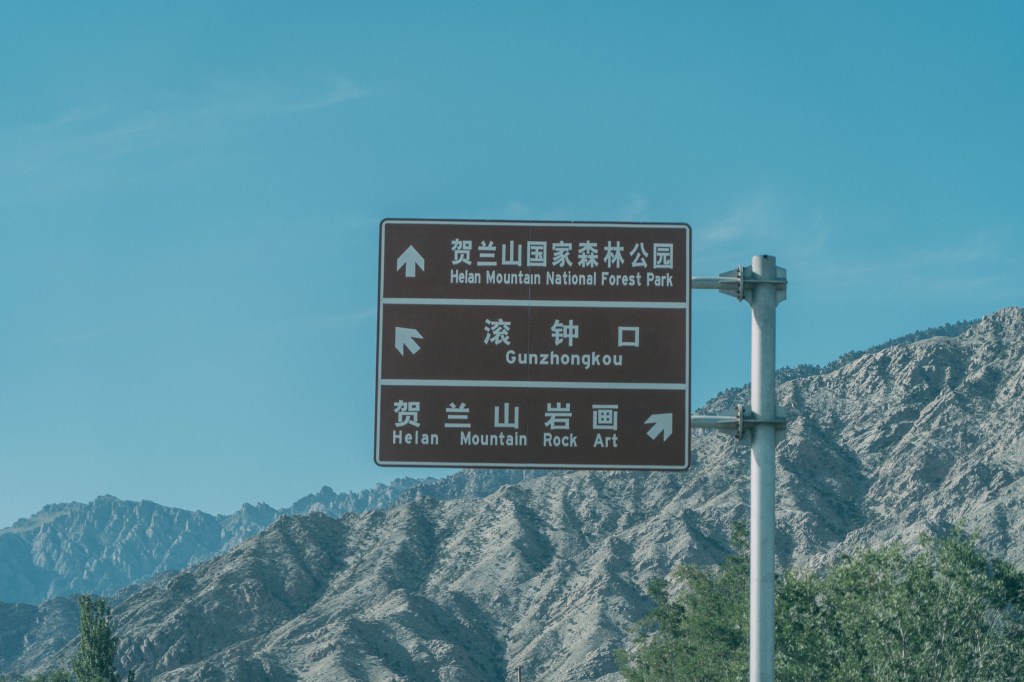
If the province does not enjoy an ideal climate for agriculture, and therefore life, it seems that it has been frequented by humans for a long time, as evidenced by the rock engravings “Helan rock art” dating from 3000 to 10,000 years, or the Western Xia mausoleums, dating back about 1000 years.
Agriculture has always been practiced there, thanks to the presence of the yellow river which irrigates the crops.
But for the past thirty years, Ningxia has experienced a kind of revival: the vine culture.
In 1984, the first winery was established in the region: Xixia King, a government property.
This winery still exists, but around 150 others have joined it in the now famous Protected Geographical Indication “East Foothill of Helan Mountain” (and the same number would be under construction or waiting for approval)
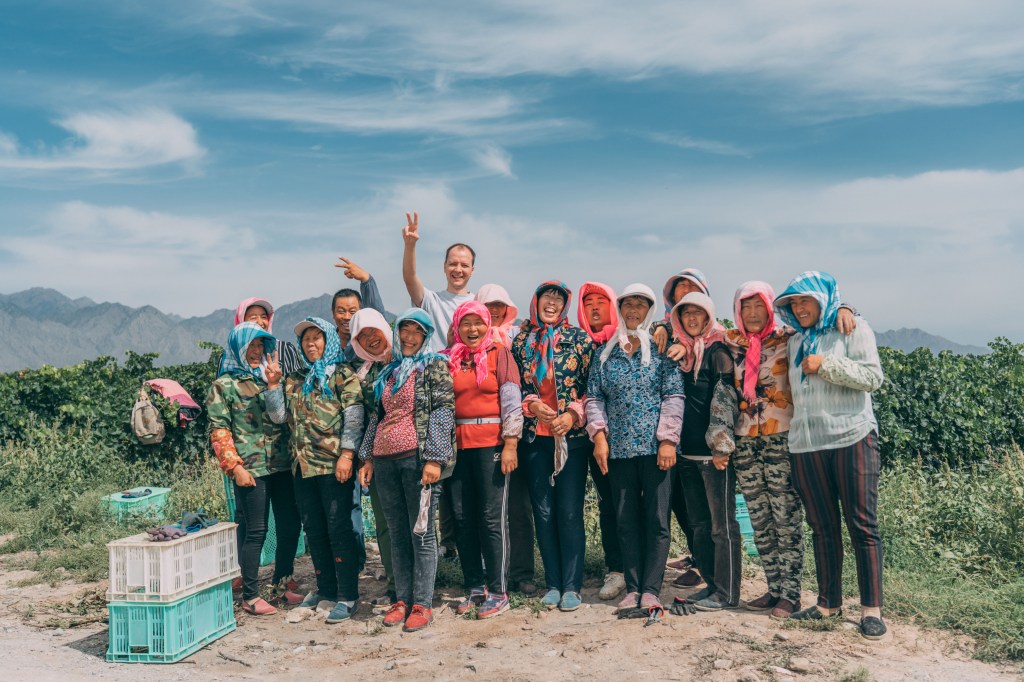
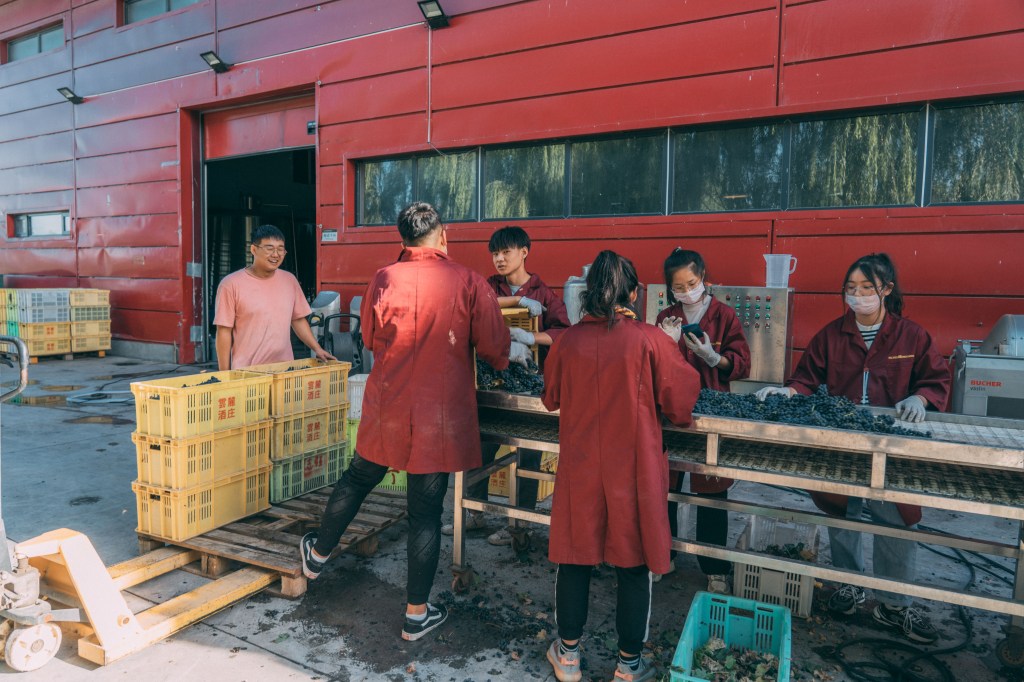
Some wineries that I particularly like
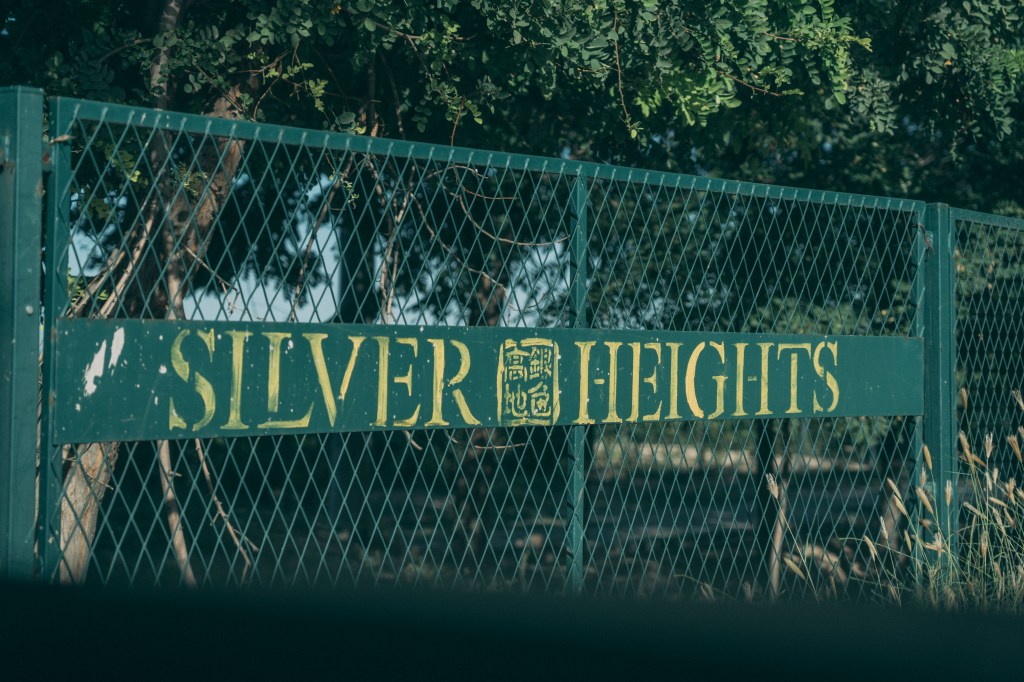
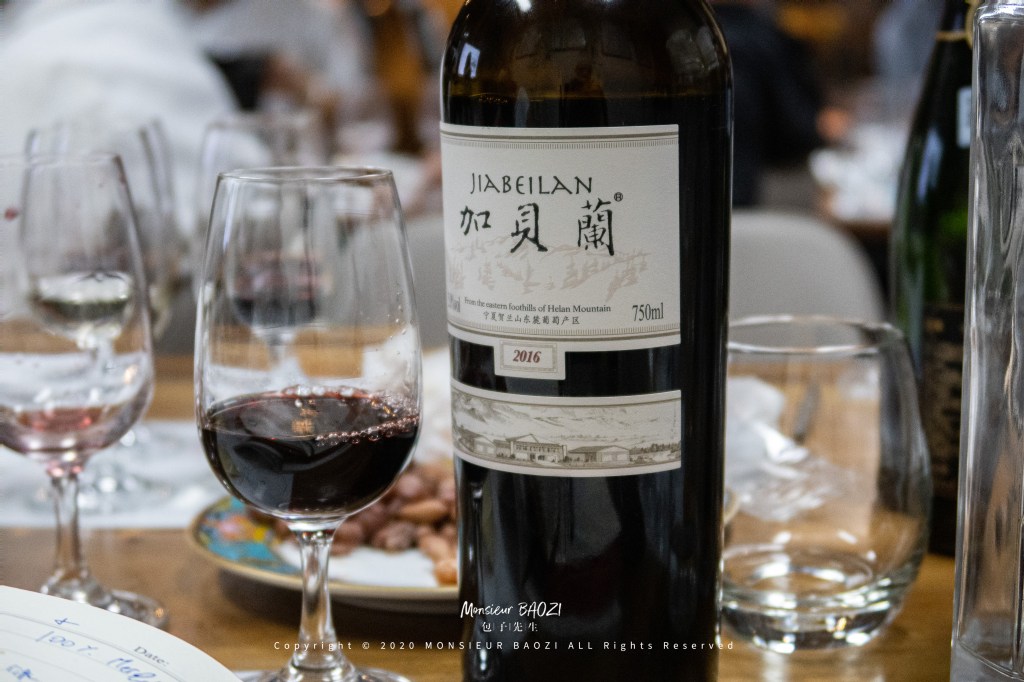
01 / Silver Heights
My first winery visit in China, and a fascinating meeting with Emma Gao: founder and French-speaking (and Francophile) winemaker of the estate
02 / Helan Qingxue
Mind-blowing bordeaux blends
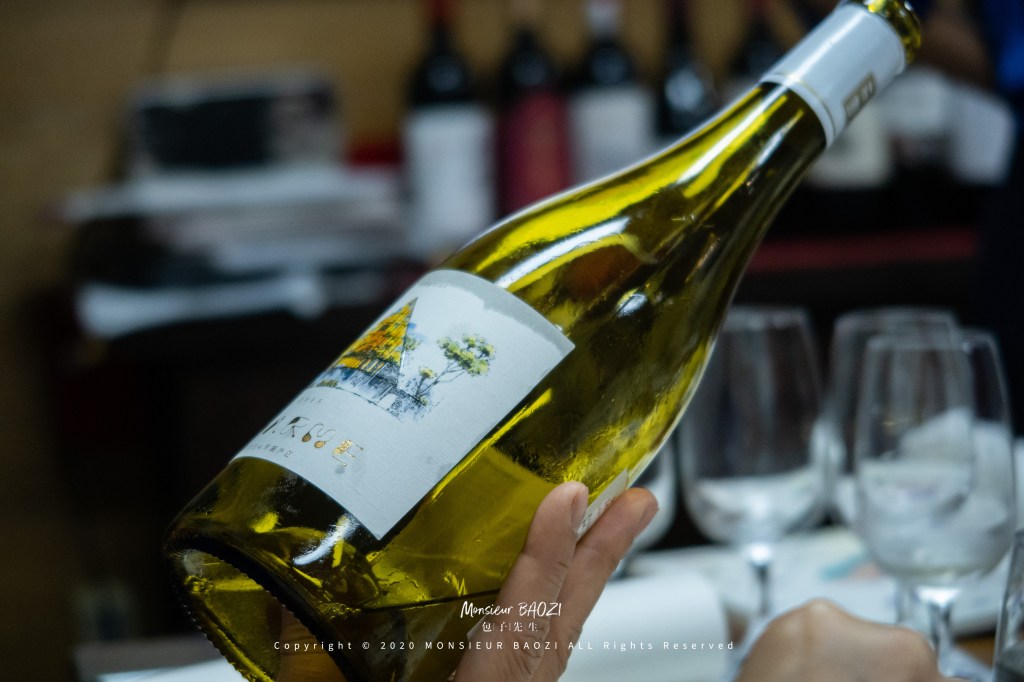
03 / Domaine Charme
A Viognier that seduced me: one of the best whites of Ningxia that I have tasted
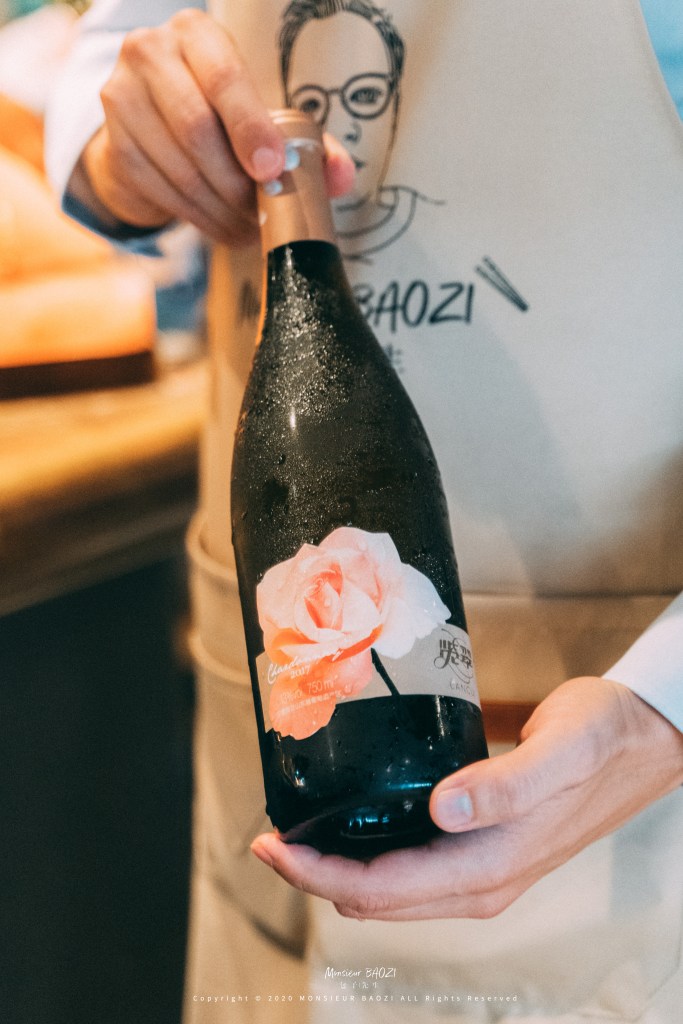
04 / Lilan winery
A Chardonnay that would not be ashamed to compete with a Meursault
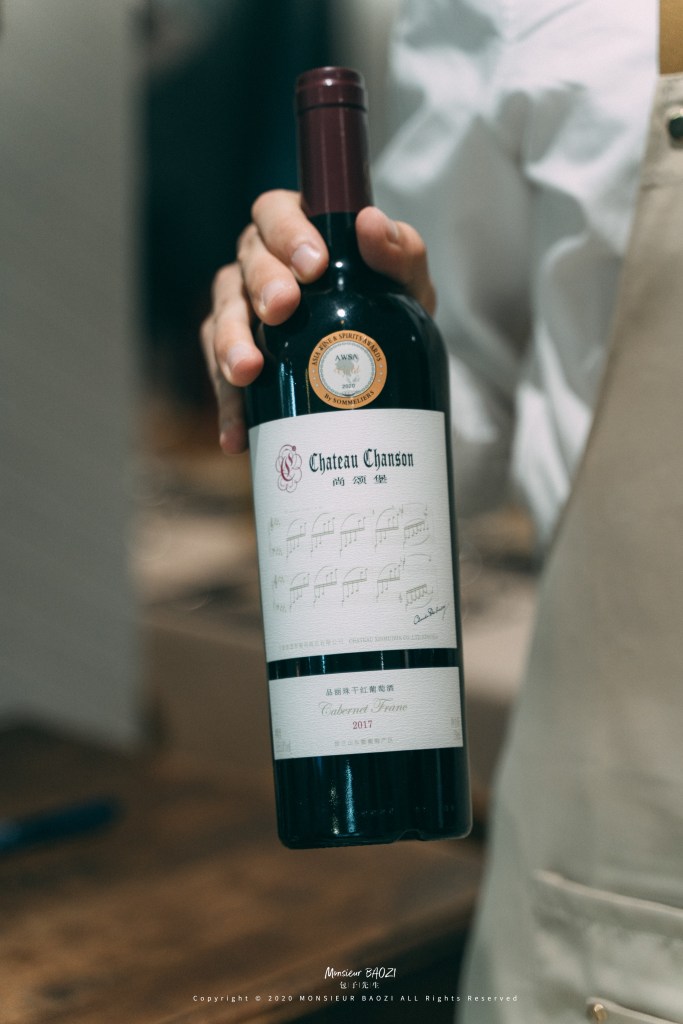
05 / Chateau Chanson
A Cabernet Franc that brings me back to my land of origin: The Loire!
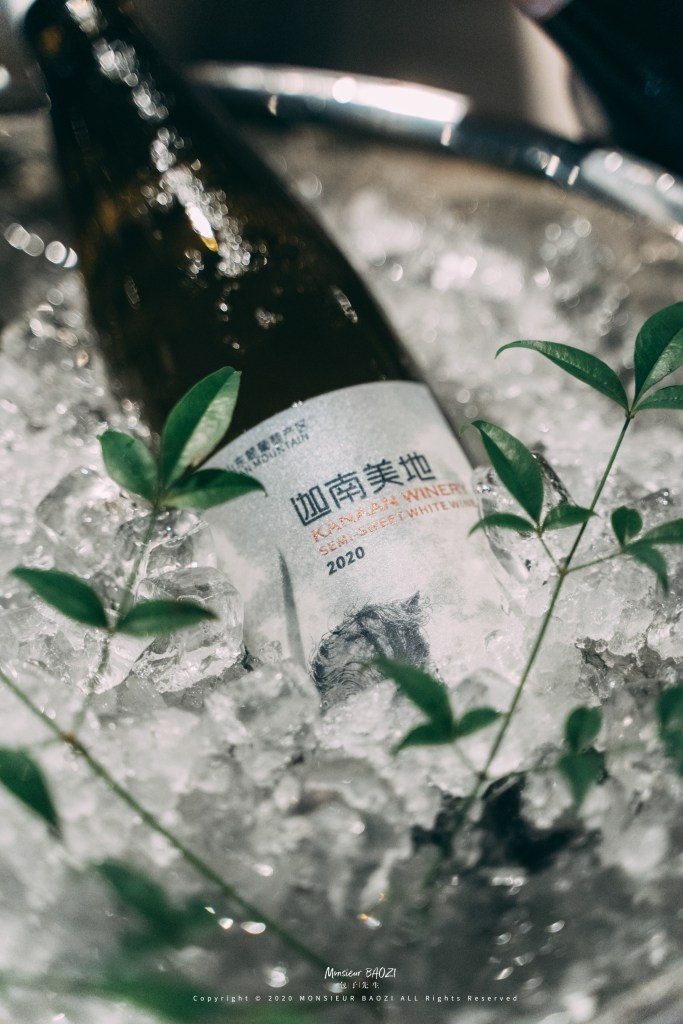
06 / Kanaan winery
High quality reds and amazing whites
07 / Xige estate
With a production capacity of 7 million bottles, Xige is aiming for the place of “Chinese penfold’s”.
Clean, regular, and rather affordable wines
How to describe the wines from Ningxia?
Yinchuan is located at roughly the same latitude (34 north parallel) as southern Spain and Nappa Valley.
However, the climatic conditions and the soil are specific to Ningxia
- Low precipitation
- Great sunshine
- Altitude
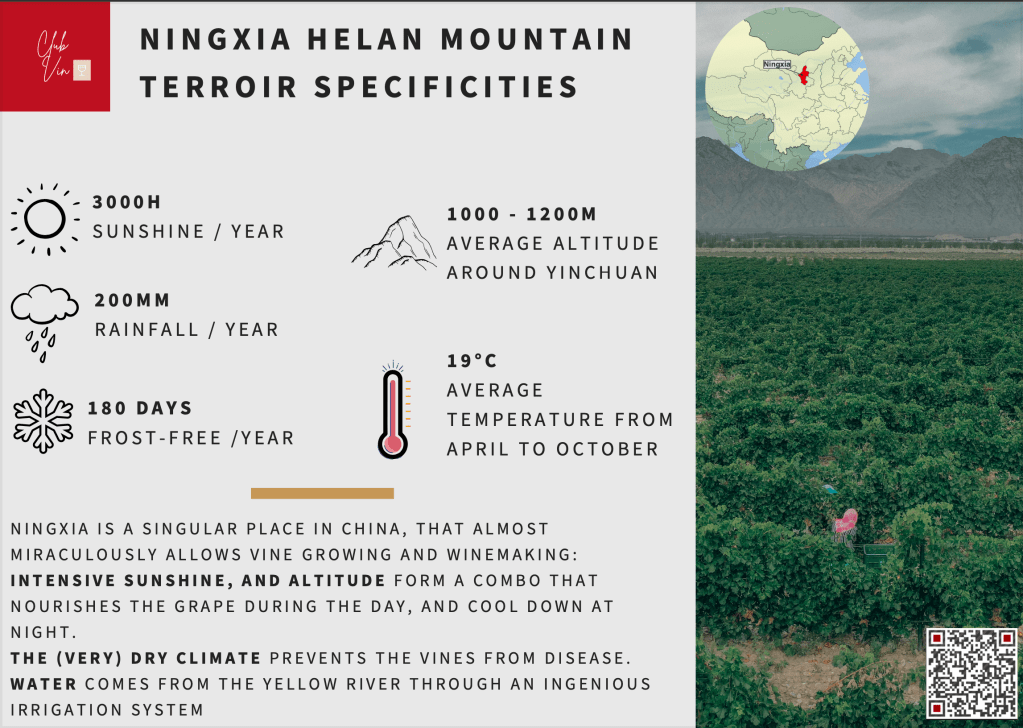
These three factors allow the grape to ripen in optimal condition, that can allow the absence of pesticides or fungicides.
In fact: many wineries have chosen organic farming, or even biodynamic farming for a few of them.
Red wines from Ningxia are particularly good. Cabernet Sauvignon, Cabernet Gernischt (Carménère), Merlot or Cabernet Franc give excellent results, and powerful wines both in terms of aromas and alcohol content.
A few whites too, but more rarely to my taste I must admit: it seems difficult for winegrowers to maintain a good acidity in their wines, which in my opinion is particularly detrimental to the quality of white wines.
Generally speaking, it seems that Ningxia wines are performing in the “mid-price to premium” category, and especially not in the “low-price” category.
Indeed, the production conditions (particularly climatic) implies high cost, and low yields. The burying of the vines in winter time to protect from the frost explains itself a big part of these high costs.
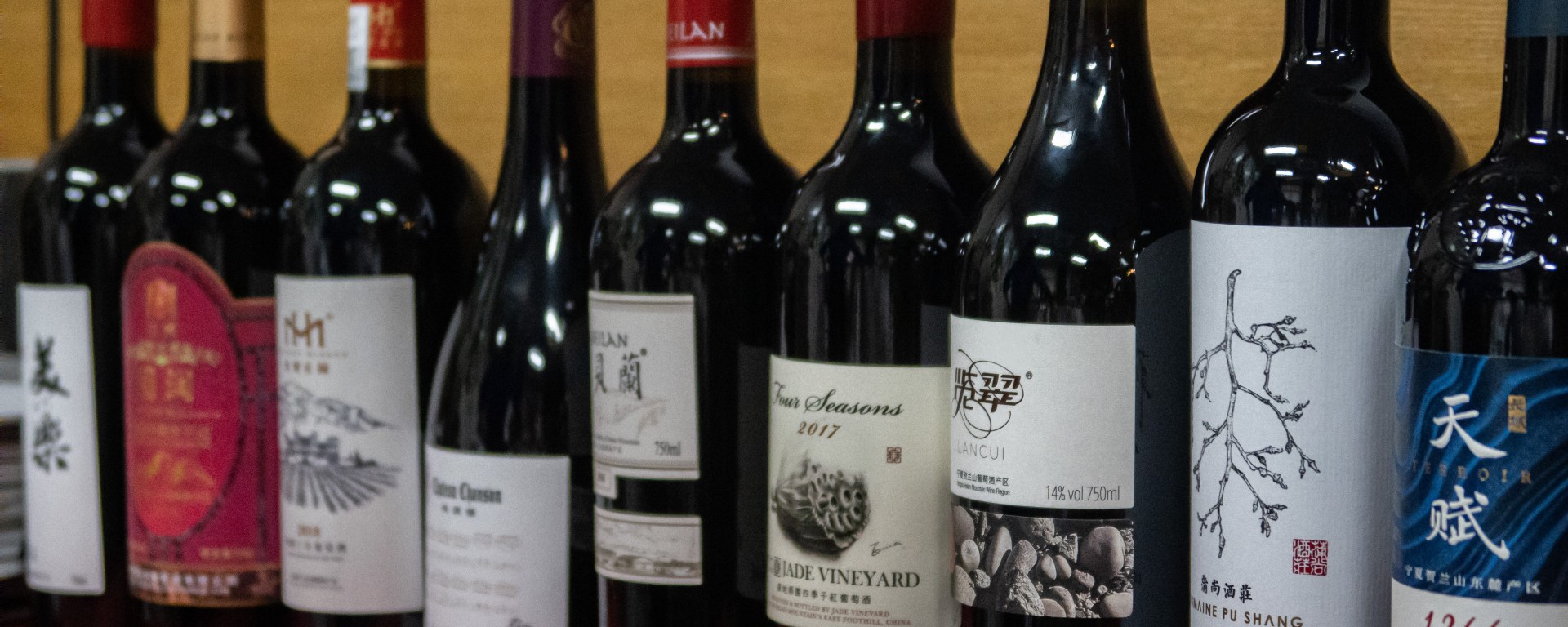
It must be admitted: Good Ningxia wines are expensive (count $ 20-60 per bottle for most wines, and up to $ 300 for the most premiums).
but it would be unfair to judge Ningxia wines on price alone. Despite a recent increasing popularity, it is still a young vineyard. I have no doubt that prices will adapt the ongoing normalization of wine consumption in China.
Helan Mountains east foothills Sub regions
The region has already developed a protected designation called “East Foothill of Helan Mountain – 贺兰山东麓“ (Helan Shan Dong Lu in Pinyin).
More precisely, 6 different zones constitute this territory which extends from south to north of the mountain barrier, sheltering the vineyard from the arid winds of the Tanger desert.
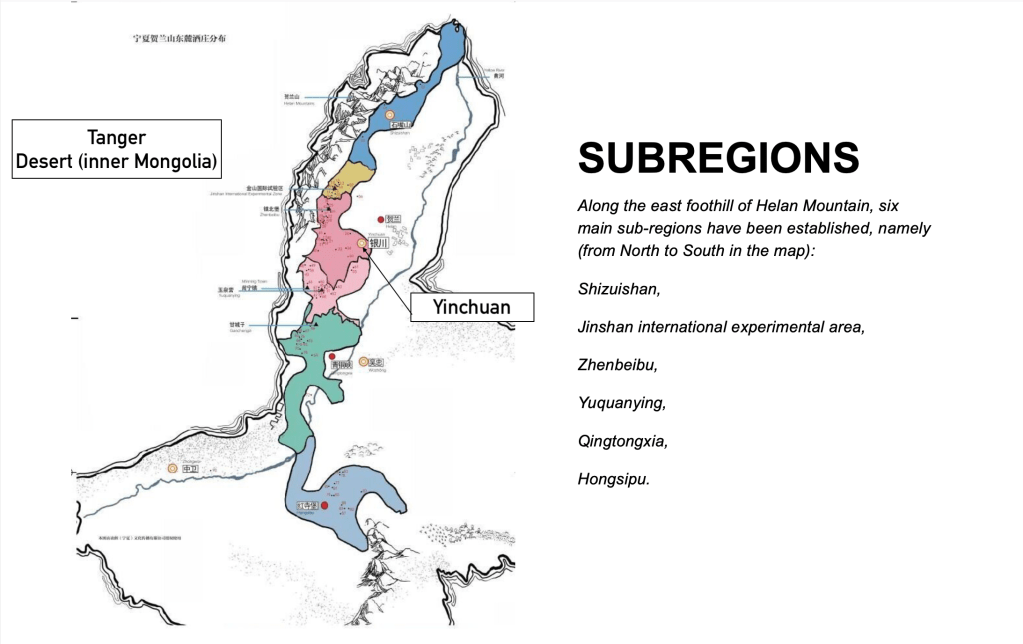
Even if it is still a bit early at this stage, it seems to me quite reasonable that the winegrowers and the region will put an end to a classification system for certain terroirs that are more premium than others, like this which is done in France.
Conclusion
There is one certain thing: the Ningxia seems at the beginning of what is akin to a golden age.
The number of wineries is increasing, followed by a boom in exports in 2020 (According to statistics from Yinchuan customs in Ningxia) which seems to attest to an interest from wine lovers not only here in China, but around the world.
sources
https://www.thedrinksbusiness.com/2021/07/ningxia-wine-exports-reach-new-high/
http://www.wineningxia.com/ningxia-wine-introduction
 monsieur baozi