

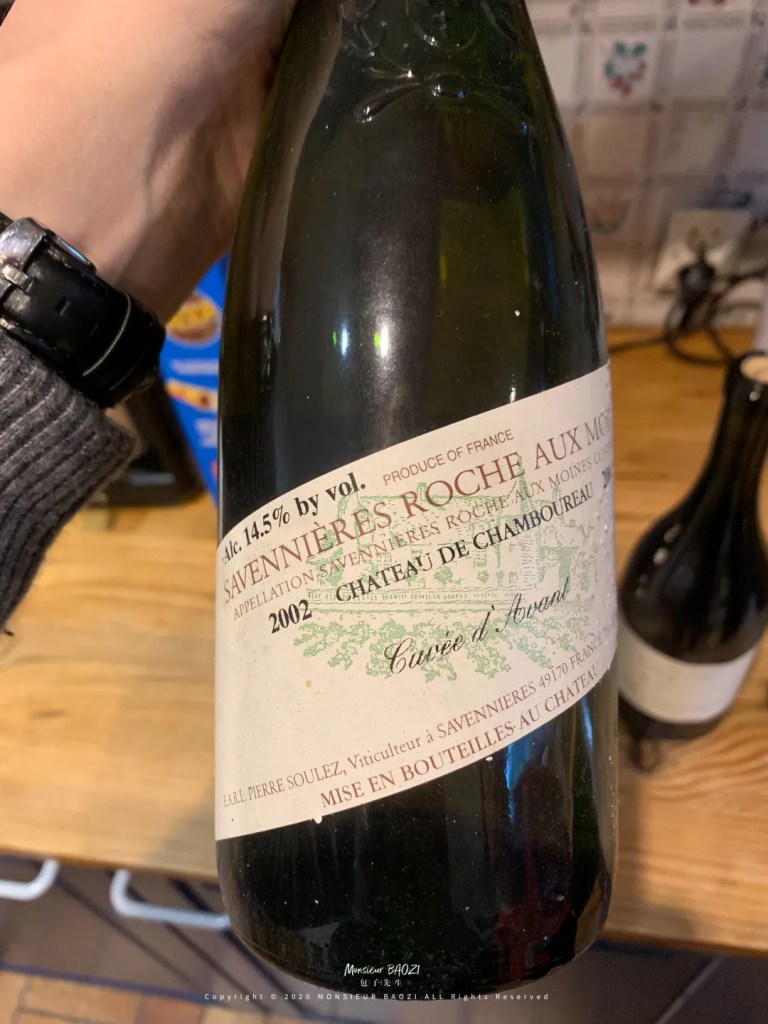
As a French citizen, at least 90% of the wines I have swallowed in my life must be French wines.
During my (younger) years in France, wine somehow has always been around:
I visited dozens of wineries, I took part in the harvest several times, I visited countless wine fair and of course: I enjoyed wine on hundreds (thousands?) of occasions: dinner, wine bar, wine-tasting, blind tasting …

When I settled in China, I quickly became interested in the local production of beers, rice wine (米酒 , 黄酒), Baijiu but also grape wine.
What surprised me was how negative the image could be.
“Chinese wine? Forget it, it’s undrinkable”
My first Chinese Wine
Some months have passed, and I eventually tasted my first Chinese wine ):
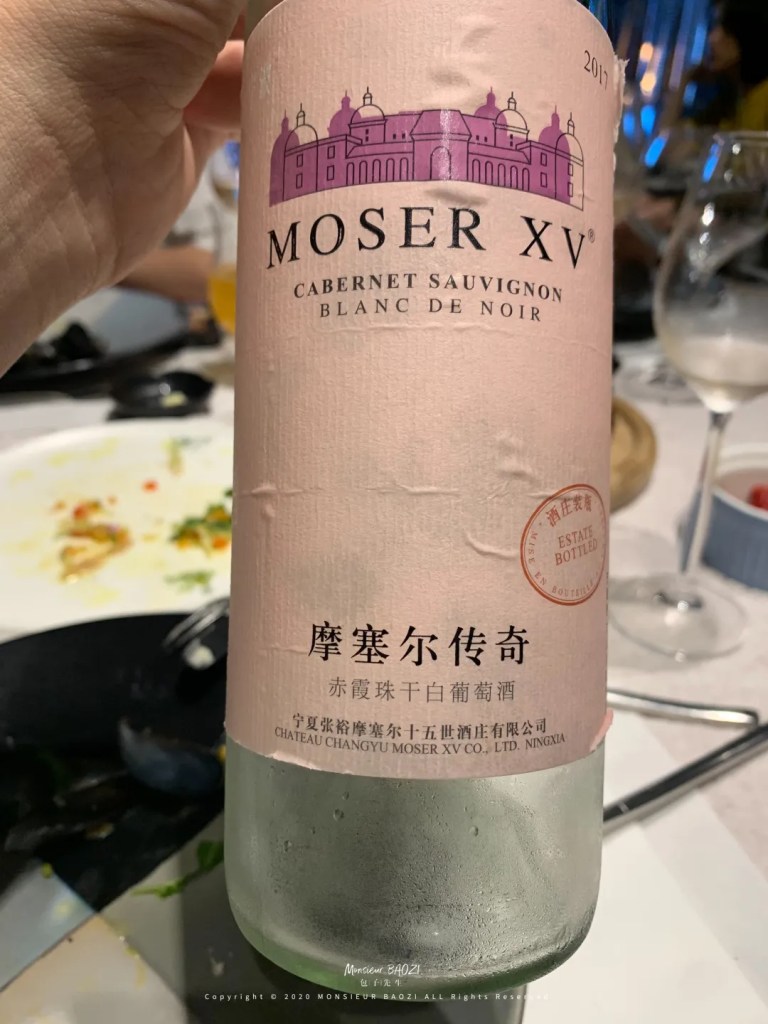
A white wine from Ningxia, made out of black grapes (“Blanc de Noir”).
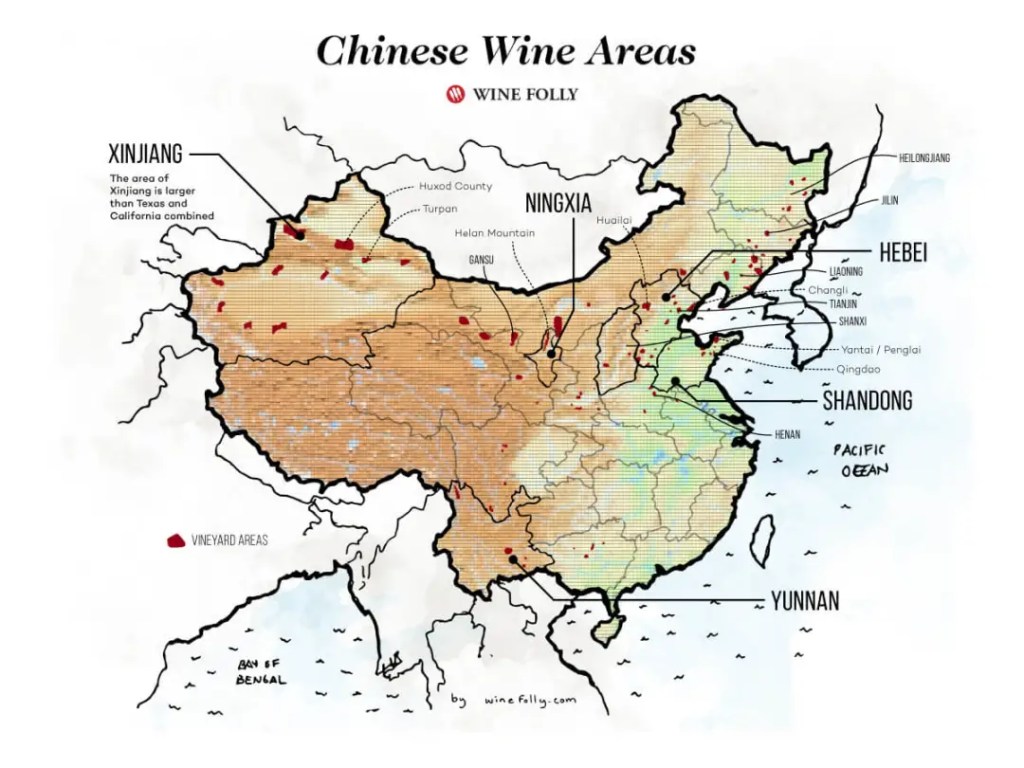
Changyu is, with Great Wall, one of the biggest wine producers in China. Their Headquarters are in Yantai (Shandong province) but they have several wineries in the country including Ningxia and Shandong.
“Not bad, for a supposedly undrinkable wine”, I said to myself …
This first confrontation made me want to learn and try more, and above all, to challenge prejudices such as:
1: Chinese wine is not good
2: Chinese wine is too expensive
3: Grape wine is not a traditional Chinese product
1: Chinese wine is not good
I heard it.
And not just once!
Yet, in China, like in many other places, you can find everything: bad, good, and very (very) good quality…
Sceptical?
Here are some Made in China wines of exceptional quality
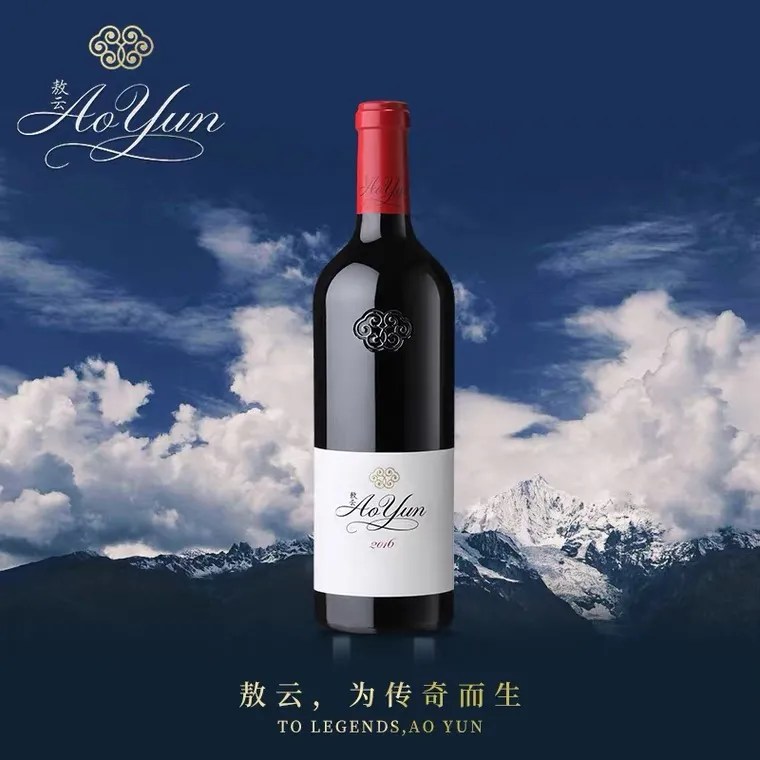
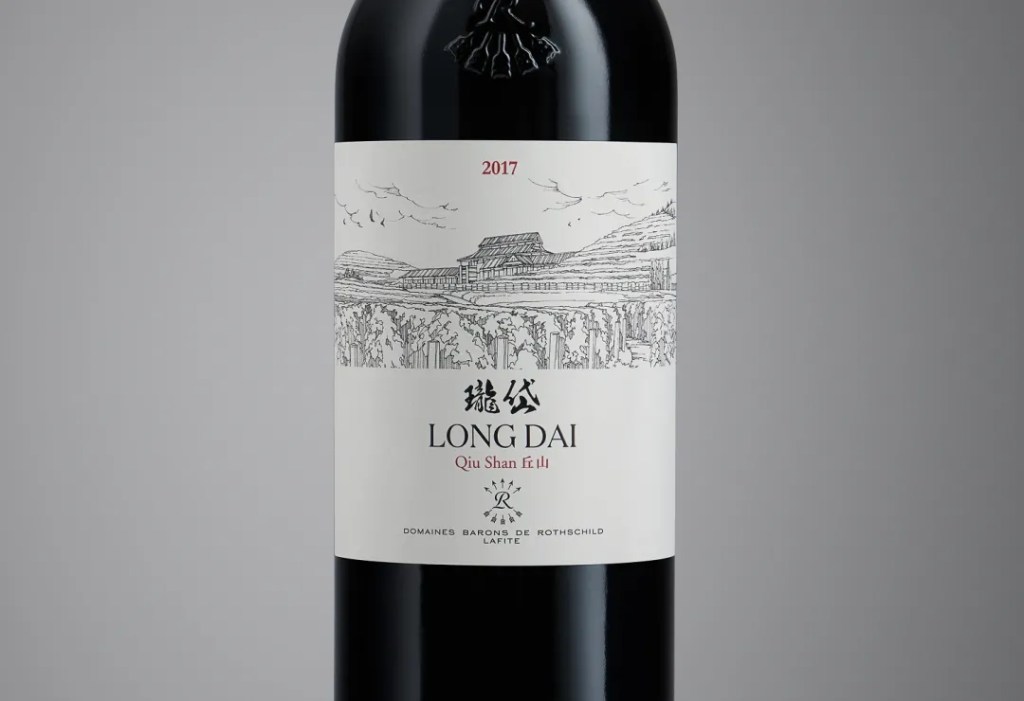
There must be good reasons for famous international groups to decide to produce wine here in China, don’t you think?
If it would be wrong to limit Chinese wines to these exceptional wines, these nevertheless allow us to attest that yes, in China as elsewhere, it is possible to produce world-class wine.
2: Chinese wine is expensive
I have often heard it …
I may have said it myself!
And it should be admitted that this is not completely wrong: it is difficult to find a “nice little wine between 5-10 euros” like you can find everywhere in Europe.
The question we should ask ourselves is: Why is Chinese wine expensive?
The first and most obvious reason: because it is expensive to produce.
Significant fixed costs such as the expertise (sometimes) of foreign-countries oenologist, but also costs related to the import of vines, oak barrels among other specific equipment.
Added to this is the need to bury the vines in winter, to protect them from the freezing cold: increasing production costs by 15 to 30% (more than 80% of Chinese wineries are in Northern China, with several months below -10 degrees Celcius)
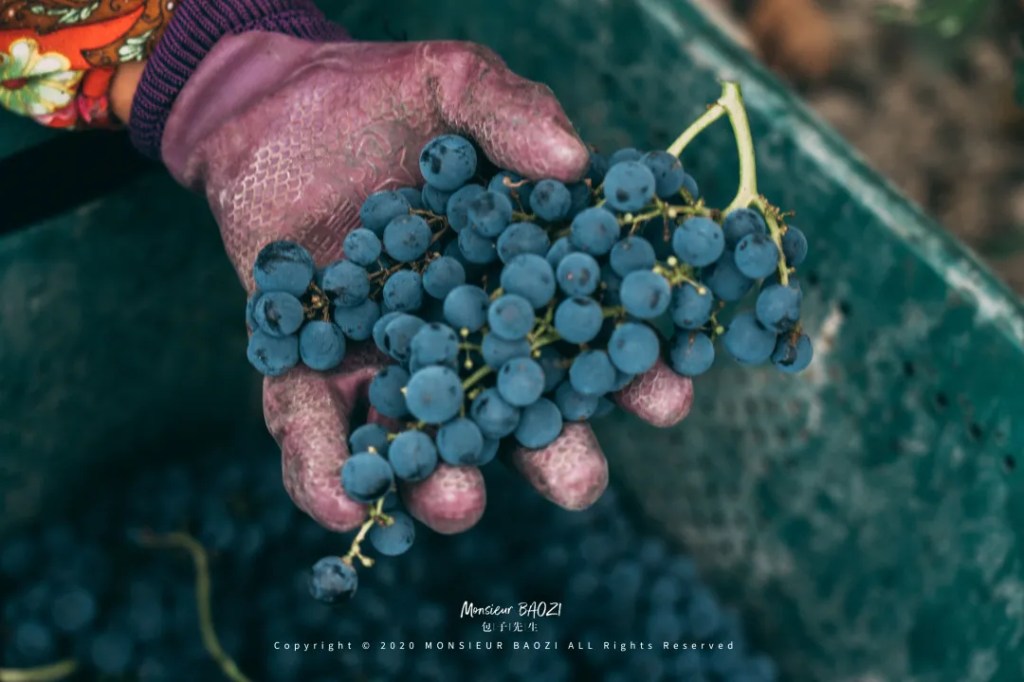
Finally, we must take into account the fact that most wineries in China are “boutique wineries”, that is to say, independent winegrowers producing limited volumes.


Allow me to sum up:High production costs + limited production = higher cost / bottle
If it would be wrong to say that good Chinese wines are affordable, it should also be mentioned that this is not limited to China
In France, for example, there are huge disparities between wine regions:
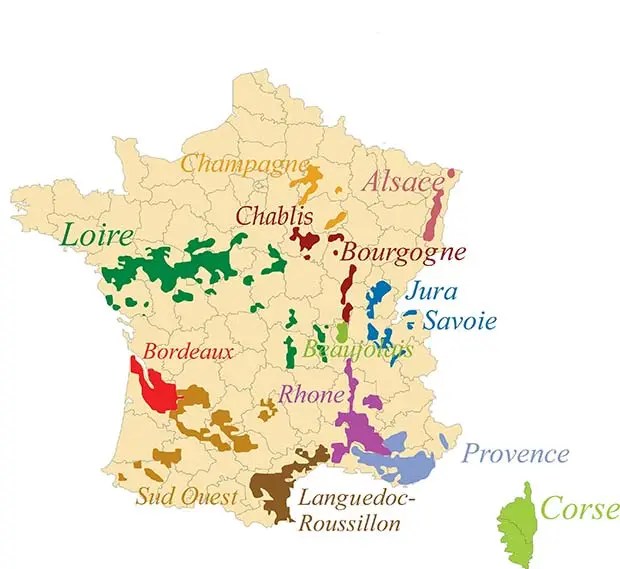
Languedoc Roussillon produces very affordable wines
Burgundy produces more than 75% of the most expensive wines in the world
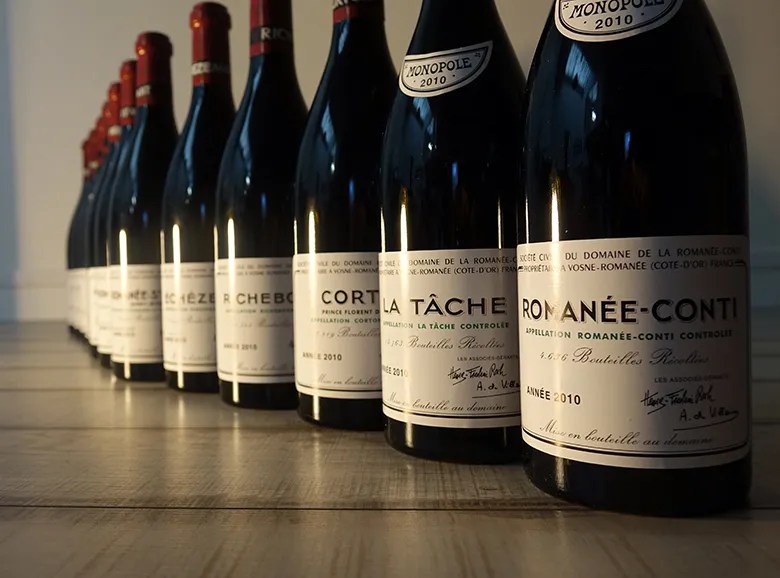
According to the French food-critic FRG (Francois Régis Gaudry), 3 explanations for this:
– The price of land (extremely expensive in Burgundy
– Climate (much more favorable to vine-growing in the south, which ends up with higher yields )
– The number of working hours/hectare/year (much greater in Burgundy where many winegrowers harvest manually)
There must always be an explanation for the price of a bottle of wine: the same goes for Chinese wines.

3: Wine is not a traditional Chinese product
That is true.
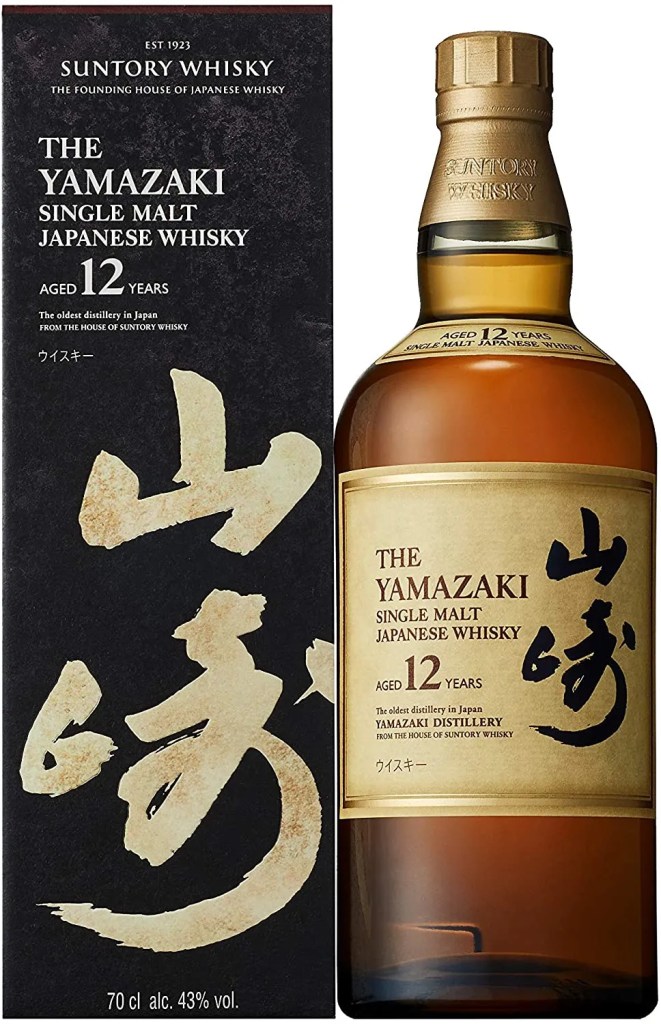
Neither is Whisky for Japan.
Did that stop Japan to build its international reputation for whisky?
Absolutely not.
In wine, there is a particular notion called ” Terroir”.
The Terroir is in a way the signature of a wine, linked to its geographical location: climate, soil, thermal amplitude, sunshine, …
One thing is certain for me (and for many industry specialists): Chinese wine-growing areas have distinctive terroirs, that end up in unique and aromatic wines when coming from a serious winery.

Chinese wine…is wine!
In my opinion, wine is an excellent way of discovering and learning more about this amazing country that is China.
Some brave people have been working hard for decades, to develop wines that can compete at an international level.
No one said you should stop drinking other wines, but a bottle of Chinese wine every now and then allows you to discover the country in a different way.
Not all Chinese wines are created equal, some are extraordinary, others mediocre, and many are well worth being tried.
Chinese wines are writing their own history, the market will say whether or not it is ready to accept them.
As for me, I’ll be there to taste them and advocate for them, when deserved.
 monsieur baozi